Tag: ASU

  • MIT vs Stanford vs Harvard — Which is Right for You in 2025?

    MIT vs Stanford vs Harvard — Which is Right for You in 2025?

    🧭 Introduction

    When it comes to higher education in the United States, three names dominate every conversation — MIT, Stanford, and Harvard. Each of these universities has set global standards in innovation, research, and leadership. But as we move into 2025, the question arises:
    Which university is truly the best — MIT, Stanford, or Harvard?

    In this comprehensive guide, we compare these top institutions across key metrics like academic excellence, global rankings, tuition costs, research output, acceptance rates, and student life. Whether you’re planning to study engineering, business, or social sciences, this analysis will help you choose the right university for your goals.


    🎓 Overview: MIT vs Stanford vs Harvard

    University Location Founded Global Ranking (2025) Notable Strengths
    MIT Cambridge, Massachusetts 1861 #1 (QS 2025) Engineering, Computer Science, AI
    Stanford University Stanford, California 1885 #2 (QS 2025) Entrepreneurship, Tech, Business
    Harvard University Cambridge, Massachusetts 1636 #3 (QS 2025) Law, Medicine, Business, Arts

    These rankings reflect their consistent academic excellence and global influence in shaping innovation and leadership.


    Academic Excellence & Programs

    1. Massachusetts Institute of Technology (MIT)

    MIT focuses heavily on STEM (Science, Technology, Engineering, and Mathematics). It is world-renowned for its:

    • Computer Science and Artificial Intelligence Laboratory (CSAIL)
    • Sloan School of Management
    • Mechanical and Aerospace Engineering programs

    MIT Advantage: Cutting-edge research in AI, robotics, and energy systems.

    2. Stanford University

    Stanford bridges technology, business, and innovation. Located in Silicon Valley, it nurtures entrepreneurship like no other university.

    Top Programs:

    • Graduate School of Business (GSB)
    • School of Engineering
    • Humanities & Sciences

    Stanford Advantage: Close ties with tech giants like Google, Apple, and Tesla.


    3. Harvard University

    Harvard offers a diverse academic ecosystem across humanities, sciences, and professional schools.

    Top Programs:

    • Harvard Law School
    • Harvard Medical School
    • Harvard Business School

    Harvard Advantage: A legacy of leadership and global alumni network unmatched by any other institution.


    💰 Tuition Fees & Financial Aid (2025)

    University Average Annual Tuition (Undergraduate) Scholarships & Aid
    MIT $60,200 Need-based, generous international support
    Stanford $59,500 Need-based, full tuition for low-income families
    Harvard $58,400 100% need-based, covers tuition + housing

    💡 Tip: Harvard and MIT are known for their no-loan financial aid policies, making them accessible to talented students from all economic backgrounds.


    🌎 Global Reputation & Rankings

    In 2025, all three universities continue to dominate global rankings:

    • QS World University Rankings 2025: MIT (#1), Stanford (#2), Harvard (#3)
    • Times Higher Education (THE) Rankings 2025: Harvard (#1), Stanford (#2), MIT (#3)
    • U.S. News & World Report 2025: Harvard (#1), MIT (#2), Stanford (#3)

    These institutions maintain a competitive edge across multiple ranking bodies due to their research impact, academic prestige, and alumni success.


    👩‍🎓 Student Life & Campus Culture

    MIT:

    MIT’s environment thrives on collaboration, creativity, and problem-solving. The student body is diverse, and innovation is part of the culture.

    Stanford:

    Stanford’s sunny California campus promotes entrepreneurship, outdoor activities, and startup culture — it’s the “heart of Silicon Valley.”

    Harvard:

    Harvard’s historic Cambridge campus blends academic tradition with modern learning. Its focus on debate, discussion, and leadership is unparalleled.


    📊 Acceptance Rate & Admissions Difficulty (2025)

    University Acceptance Rate (2025) Average SAT/ACT Score International Student Acceptance
    MIT 3.8% 1550 / 35 Moderate
    Stanford 4.1% 1520 / 34 Competitive
    Harvard 3.5% 1550 / 35 Highly Selective

    Conclusion: All three are extremely selective, but Harvard remains the most competitive in 2025.


    🧪 Research & Innovation Impact

    • MIT: Leads global innovation in artificial intelligence, aerospace, and clean energy.
    • Stanford: Drives innovation in technology, data science, and business ventures.
    • Harvard: Excels in social sciences, healthcare research, and law.

    MIT spends over $2 billion annually on research, while Stanford and Harvard each invest over $1.5 billion, creating cutting-edge discoveries that shape industries worldwide.


    🌍 Career Outcomes & Alumni Success

    All three universities boast powerful alumni networks that dominate global industries.

    Top Alumni Examples:

    • MIT: Kofi Annan, Buzz Aldrin, Drew Houston (Dropbox)
    • Stanford: Elon Musk, Larry Page, Sergey Brin
    • Harvard: Barack Obama, Bill Gates, Mark Zuckerberg


    Average Starting Salaries (2025):

    University Average Graduate Salary (USD)
    MIT $120,000
    Stanford $115,000
    Harvard $110,000

    🏠 Campus Facilities & Lifestyle

    • MIT: Modern labs, innovation centers, and advanced computing hubs.
    • Stanford: 8,000+ acres of green campus and startup incubators.
    • Harvard: World-class libraries, museums, and historic buildings.

    Each university offers an inclusive, global student experience.


    🧭 Which University Is the Best in 2025?

    Here’s a quick summary comparison:

    Category Best Performer
    Engineering & Technology MIT
    Business & Entrepreneurship Stanford
    Law, Medicine & Humanities Harvard
    Innovation & Startups Stanford
    Global Academic Reputation Harvard
    Affordability (Financial Aid) Harvard & MIT

    🔑 Top Reasons to Choose Each

    Choose MIT if you want:

    • A strong STEM-focused education
    • Hands-on research opportunities
    • Global recognition in innovation

    Choose Stanford if you want:

    • Access to Silicon Valley startups
    • A flexible, interdisciplinary education
    • A thriving entrepreneurial ecosystem

    Choose Harvard if you want:

    • Global prestige and influence
    • Strong humanities, law, and medical programs
    • A vast alumni and career network

    📘 Internal Link Suggestions


    🌍 External Link Suggestions


    FAQs about MIT vs Stanford vs Harvard: Best US University in 2025

    Q1. Which is better for engineering — MIT, Stanford, or Harvard?
    A: MIT leads in engineering, offering advanced programs and research labs focused on innovation and technology.

    Q2. Which university has the highest acceptance rate?
    A: Stanford has a slightly higher acceptance rate (~4.1%) compared to Harvard (~3.5%) and MIT (~3.8%).

    Q3. Which is better for business studies?
    A: Stanford’s Graduate School of Business consistently ranks #1 globally for entrepreneurship and innovation.

    Q4. Are these universities affordable for international students?
    A: Yes, all three provide need-based financial aid, often covering full tuition for qualified students.

    Q5. Which is the best US university overall in 2025?
    A: All three are exceptional, but MIT is ranked #1 globally in 2025 due to its dominance in research and technology.


    🧩 Conclusion

    Choosing between MIT, Stanford, and Harvard in 2025 depends on your career goals, interests, and academic focus.

    • MIT shines in innovation and engineering.
    • Stanford leads in technology and entrepreneurship.
    • Harvard dominates in law, medicine, and leadership.

    No matter which you choose, you’re joining a legacy of excellence and a pathway to global success.
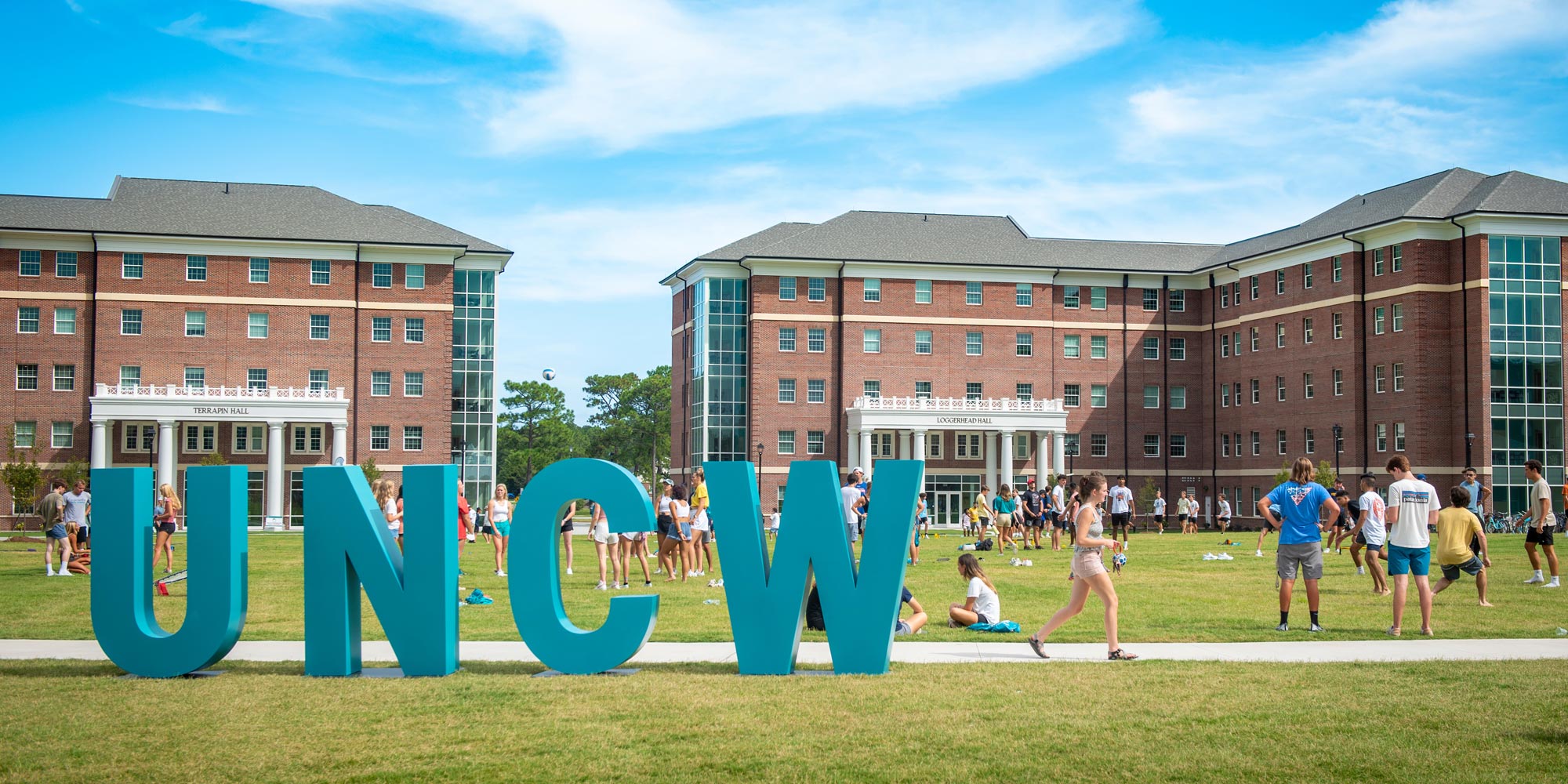

     

  • Why the University of North Carolina Is a Top Public University in the USA

    Why the University of North Carolina Is a Top Public University in the USA

    🏫 Introduction: Discover the Legacy of the University of North Carolina

    The University of North Carolina (UNC) isn’t just a university — it’s an institution that represents centuries of excellence, diversity, and innovation. Founded in 1789, UNC is the oldest public university in the United States and has grown into one of the world’s most respected educational systems.

    Located in Chapel Hill, North Carolina, the university is home to over 30,000 students from around the globe. It offers a wide variety of undergraduate, graduate, and professional programs — each designed to foster creativity, research, and leadership.

    Whether you’re passionate about business, health sciences, law, engineering, or the arts, UNC provides a platform where ambition meets opportunity.


    🎓 Overview: About the University of North Carolina

    The University of North Carolina System includes 17 campuses spread across the state, with UNC-Chapel Hill as the flagship institution. The system enrolls more than 240,000 students annually, making it one of the largest and most comprehensive university networks in the U.S.

    🔹 Quick Facts (2025):

    Feature Details
    Founded 1789
    Location Chapel Hill, North Carolina
    University Type Public Research University
    Enrollment 30,000+ students
    International Students 3,000+ from 100+ countries
    Motto Lux Libertas – “Light and Liberty”
    Affiliation AAU (Association of American Universities)


    📚 Academic Excellence and Popular Programs

    UNC is known for blending traditional academics with modern innovation. The university consistently ranks among the Top 5 Public Universities in the nation, according to U.S. News & World Report (2025).

    🎓 Top Degree Programs at UNC

    School/College Popular Majors National Ranking
    Kenan-Flagler Business School MBA, Accounting, Finance #8
    Gillings School of Global Public Health Public Health, Epidemiology #2
    College of Arts & Sciences Political Science, Psychology, History Top 10
    School of Medicine Medicine, Biomedical Research #5
    School of Law JD, Constitutional Law #9

    UNC is recognized for its balance of academic rigor, research funding, and student-centered learning.


    💰 Tuition Fees and Scholarships (2025)

    One of UNC’s major advantages is affordability — especially for in-state students.

    Category Estimated Annual Cost (USD)
    Undergraduate (In-State) $9,200 – $10,000
    Undergraduate (Out-of-State) $38,000 – $40,000
    Graduate (In-State) $25,000 – $30,000
    Graduate (Out-of-State) $35,000 – $38,000
    Living Expenses $12,000 – $15,000

    🎓 Scholarship Programs:

    • Morehead-Cain Scholarship – full-ride merit-based scholarship
    • Carolina Covenant – supports low-income families
    • Global Education Award – for international students
    • UNC Need-Based Grants – for U.S. residents

    📘 External Link Suggestion: UNC Scholarships
    🔗 Internal Link Suggestion: YourWebsite.com/Scholarships-in-USA


    🌍 International Students at the University of North Carolina

    The University of North Carolina welcomes students from over 100 countries, offering them full academic and personal support.

    🌏 International Student Services Include:

    • Visa guidance and immigration assistance
    • English language and writing workshops
    • International student orientation
    • Global cultural events and mentorship programs
    • Dedicated housing options

    🎯 Internal Link Suggestion: YourWebsite.com/Study-in-USA
    📘 External Link Suggestion: EducationUSA


    🧠 Admission Requirements (2025)

    🏫 Undergraduate Admissions:

    • High school diploma or equivalent
    • SAT/ACT (optional for 2025)
    • IELTS (7.0) or TOEFL (90)
    • Personal statement or essay
    • Recommendation letters

    🎓 Graduate Admissions:

    • Bachelor’s degree in a related field
    • GRE/GMAT scores (depending on program)
    • Resume/CV
    • Academic transcripts
    • Statement of Purpose
    • Research proposal (for doctoral applicants)

    🏅 University Rankings and Recognition (2025)

    Ranking Organization UNC-Chapel Hill Rank
    U.S. News & World Report #4 among Public Universities
    QS World University Rankings #57 Worldwide
    Times Higher Education #62 Global
    Princeton Review Top 10 for Value
    Forbes #5 in Research Impact

    UNC continues to be a symbol of academic prestige and affordability.


    🏫 Campus Life at UNC

    Campus life at the University of North Carolina is dynamic and community-driven. Students enjoy a balance of academics, sports, and culture.

    🌳 Campus Highlights:

    • 700+ student organizations
    • Historic landmarks like the Old Well and Bell Tower
    • Athletics: Home to the legendary Tar Heels
    • Events: Carolina Pride Week, SpringFest, International Fair
    • Modern facilities: Libraries, research labs, and innovation hubs

    💼 Career Development and Alumni Success

    The UNC Career Services Center helps students build successful career paths with internships, job fairs, and networking events.

    💡 Top Employers Hiring UNC Graduates:

    • Google
    • IBM
    • Deloitte
    • Johnson & Johnson
    • Bank of America

    🌟 Famous UNC Alumni:

    • Michael Jordan – NBA Legend
    • Mia Hamm – Olympic Gold Medalist
    • Andy Griffith – Actor
    • James K. Polk – U.S. President

    📊 Comparison Table: UNC vs. Other Top U.S. Public Universities

    University National Rank (Public) Average Tuition (Out-of-State) Graduation Rate
    UNC-Chapel Hill #4 $39,000 91%
    University of Michigan #3 $42,000 92%
    UC Berkeley #2 $44,000 90%
    University of Virginia #5 $39,500 89%

    UNC stands strong in affordability, graduation rate, and research excellence.


    🧾 Top 5 Reasons to Choose the University of North Carolina

    1. Globally recognized degree programs
    2. Affordable tuition and strong scholarships
    3. Inclusive and diverse student community
    4. High graduate employability
    5. Strong alumni and corporate connections

    Frequently Asked Questions (FAQs)

    1. What GPA do I need for the University of North Carolina?

    A minimum GPA of 3.8 or higher is recommended for competitive programs.

    2. Does UNC offer scholarships for international students?

    Yes, UNC provides merit-based and need-based scholarships for international applicants.

    3. Is UNC good for MBA and business programs?

    Absolutely. The Kenan-Flagler Business School is among the Top 10 MBA programs in the U.S.

    4. What is UNC known for academically?

    UNC is known for excellence in public health, business, medicine, and liberal arts.

    5. How can I apply to UNC as an international student?

    You can apply through the Common Application or the UNC Online Admissions Portal.


    🌐 Social Media & Schema Markup

    <!-- Social Media Markup -->
    <meta property="og:title" content="University of North Carolina 2025: Admission, Programs & Rankings" />
    <meta property="og:description" content="Learn everything about the University of North Carolina — admissions, scholarships, and rankings for 2025." />
    <meta property="og:image" content="https://yourwebsite.com/images/unc-campus.jpg" />
    <meta property="og:type" content="article" />
    <meta name="twitter:card" content="summary_large_image" />
    <meta name="twitter:title" content="University of North Carolina 2025: A Complete Guide" />
    <meta name="twitter:description" content="UNC is a top public university offering world-class programs and research in 2025." />
    

    🔚 Conclusion: Why UNC Should Be Your Next Academic Destination

    The University of North Carolina continues to set the benchmark for academic excellence, affordability, and innovation. Its rich history, outstanding faculty, global partnerships, and career outcomes make it one of the best choices for students in 2025.

    If you’re aiming to study in the U.S. at a university that values both tradition and progress, UNC-Chapel Hill should be at the top of your list.

    👉 Explore more resources on our site to learn about top universities, scholarships, and study options in the USA.


    🔗 Suggested Internal Links

    🔗 Suggested External Links

  • “Best Degrees of University of Washington: A Data-Backed Guide for Students”

    “Best Degrees of University of Washington: A Data-Backed Guide for Students”

    Best Degrees of University of Washington (UW)

    Choosing the “best degree” at the University of Washington is more than picking a popular major — it’s about aligning reputation, outcomes, rankings, and your personal interests. In this guide, we’ll explore UW’s top degree programs, using data, rankings, and insights to help you decide wisely.

    We’ll weave in SEO / NLP keywords such as top UW degrees, best majors at UW, UW degree ranking, University of Washington programs, career outcomes UW degree and related phrases to help both search engines and readers.

    Table of Contents

    1. Introduction: Why UW Degrees Matter
    2. How to Judge a “Best Degree”
    3. Top Degree Programs at UW (by strength, ranking, demand)
      • Computer Science & Engineering
      • Statistics, Data Science & Applied Mathematics
      • Health, Nursing, Public Health & Biostatistics
      • Information & Library Science
      • Public Policy, Public Affairs & Social Sciences
      • Business, Economics & Finance
      • Environmental Science and Engineering Fields
    4. Comparative Data: Degree Outcomes & Rankings
    5. How to Choose the Best Degree for You
    6. Internal & External Link Suggestions
    7. FAQs about Best Degrees at UW
    8. Conclusion


    1. Introduction: Why UW Degrees Matter

    The University of Washington (UW) is one of America’s acclaimed public research universities. Its reputation, faculty, research output, and strong industry connections make its degree programs highly desirable. Wikipedia+2UW Homepage+2

    A degree from UW opens doors — especially in Seattle’s tech, health, and research sectors. But not all UW degrees are equal in terms of prestige, outcomes, or job market alignment. This article helps you identify the best degrees at UW by combining ranking data, enrollment popularity, and career mapping.

    Key NLP / SEO Phrases (used naturally)

    • best degrees of University of Washington
    • top UW degree programs
    • UW degree ranking
    • best majors at UW
    • University of Washington top majors
    • UW program outcomes

    Use of these phrases will help search engines understand our topical focus without keyword stuffing.


    2. How to Judge a “Best Degree”

    Before listing degree programs, we need a clear methodology. What makes a degree “best”? Here are criteria to evaluate:

    Criterion Description
    National / Subject Ranking Position in U.S. News, QS, ARWU, or discipline-specific rankings
    Graduate Outcomes & Salary Employment rate, early career earnings, alumni success
    Research Intensity / Funding Grant dollars, lab infrastructure, faculty reputation
    Industry Connections & Internship Opportunities Proximity to relevant industry, local partnerships
    Enrollment Demand / Selectivity Popularity, competitiveness, “capped” majors
    Interdisciplinary & Flexibility Ability to combine with minors, double majors, or cross fields

    Using this lens, the following UW degree programs stand out as “best” in 2025 and beyond.


    3. Top Degree Programs at UW

    Here are some of the leading degree programs at UW, with data, strengths, and what makes them special.

    3.1 Computer Science & Engineering

    One of the most competitive and prestigious majors at UW is Computer Science & Engineering (especially via the Paul G. Allen School). UW’s CS program often ranks among the top in the country. UW Homepage+2UW Homepage+2

    Reasons to consider:

    • Strong research labs (AI, systems, theory)
    • Proximity to Seattle’s tech giants (Amazon, Microsoft, etc.)
    • Robust internship and job pipelines
    • Cross-disciplinary options (CS + data, CS + biology, etc.)

    Major popularity: According to College Raptor, UW awards ~480 bachelor’s degrees in Computer Science annually — making it the institution’s most popular major. College Raptor

    Note: CS is often capped at UW, meaning not all initial applicants can declare it — be prepared for that. College Confidential Forums

    3.2 Statistics, Data Science & Applied Mathematics

    In today’s data-driven world, Statistics, Data Science, and Applied Mathematics degrees are in high demand. UW has a strong reputation and program in these fields.

    • The UW Department of Statistics offers BS, MS, and PhD tracks. artsci.washington.edu
    • In recent rankings, UW’s stats programs have been placed #24 for bachelor’s in national statistics rankings. College Factual
    • The graduate UW Data Science Master’s program is growing, with students from diverse backgrounds, bridging math, CS, and domain knowledge. UW Homepage
    • UW is ranked #7 in North America for Data Science (as a field) by EduRank. EduRank+1

    Enrollment Snapshot (2022–23)

    • 84 undergraduate majors in Statistics
    • 44 undergraduate majors in ACMS-STAT (Applied Computing & Mathematical Sciences)
    • 74 full-time MS students
    • 53 PhD students artsci.washington.edu

    These programs benefit from interdisciplinary integration (biostatistics, machine learning, economics, public health).

    3.3 Health Sciences: Nursing, Public Health, Biostatistics

    UW’s health and medical-related degrees are also among its strongest offerings. In recent U.S. News rankings:

    • The School of Nursing holds the No. 1 spot among public schools offering Doctor of Nursing Practice. UW Homepage
    • Public Health (and subfields like biostatistics, epidemiology, environmental health) consistently rank in the top 10 nationally. UW Homepage
    • The Evans School of Public Policy & Governance remains a strong public policy contender (e.g. ranked #7) UW Homepage

    These degrees combine research, practical field work, and collaboration with public agencies and hospitals.

    3.4 Information & Library Science

    UW’s Information School (iSchool) is world-renowned. In 2025 rankings, UW tied for No. 1 in Library & Information Studies with the University of Illinois Urbana-Champaign. UW Homepage+1

    This program is strong in:

    • User experience (UX), human–computer interaction
    • Info systems, data management
    • Archival studies, digital librarianship
    • Cross-disciplinary work with computing, design, social science

    If you’re interested in the intersection of technology, data, and society, iSchool is among the best.

    3.5 Public Policy, Social Sciences & Public Affairs

    Degrees in Public Policy, Social Work, Public Affairs, Economics, and Political Science are also highly regarded at UW:

    • UW’s Evans School is consistently top-tier in public policy. UW Homepage
    • Social Work is ranked #3 among related fields at UW. Wikipedia
    • In rankings, Public Affairs (especially environmental policy, nonprofit management) ranks highly. UW Homepage
    • UW offers strong interdepartmental opportunities — e.g., combining policy with data, environment, or health.

    3.6 Business, Economics & Finance

    While UW is known more for its technical and public sector strength, Business, Economics, and Finance degrees remain strong due to the Foster School of Business and strong regional industry ties.

    • Economics and Finance are some of UW’s top awarded majors. College Raptor+1
    • The business school emphasizes entrepreneurship, analytics, and experiential learning.

    3.7 Environmental Science, Engineering & Earth Sciences

    Given UW’s geographic location (near Puget Sound, Pacific Ocean, and natural laboratories), degrees in Environmental Science, Earth Sciences, Oceanography, Civil & Environmental Engineering hold special advantages.

    • Students can take advantage of research in climatology, marine biology, and sustainability
    • UW’s environmental health and public health programs also tie into the environmental science realm. UW Homepage
    • Engineering departments may offer dual specialization in environment + systems, climate modeling, or water resources.

    4. Comparative Data: Degree Outcomes & Rankings

    To give you a clearer sense of how these degrees stack up, here is a comparative table with rankings or key metrics.

    Degree / Field Notable Ranking / Metric Strengths & Notes
    Information / Library Science Tied for #1 in Library & Information Studies (US News) UW Homepage Top reputation for information science globally
    Nursing (DNP) #1 among public schools offering Doctor of Nursing Practice UW Homepage High demand, clinical + leadership track
    Public Health Top 10 in national rankings in epidemiology, biostatistics, environmental health UW Homepage Field impact is growing globally
    Statistics / Data Science Bachelor’s program ~ #24 nationally (College Factual) College Factual; UW ranked #7 for Data Science field in North America EduRank+1 Strong research ties, growing future demand
    Computer Science & Engineering Consistently in top 10–20 nationally for CS components (AI, systems, etc.) UW Homepage+1 Highly selective, high-paying jobs
    Mathematics & Statistics in WA UW is top in Washington for math/statistics in state rankings College Factual+1 Regional dominance and strong early career salaries
    Business / Economics Among the most awarded undergraduate majors at UW (e.g. Finance, Economics) College Raptor Commercial relevance, solid alumni network

    You might also consider the salary and outcome data. For example, degrees in CS, data science, and health often yield higher starting salaries, while public policy or social science might yield strong social impact or mid-career benefit.


    5. How to Choose the Best Degree for You

    Even with rankings and prestige, the “best degree” is subjective. Here’s a step-by-step checklist to help you choose wisely.

    1. Assess Your Interests and Strengths
      • Do you enjoy programming, math, or data? Then CS or data science may suit you.
      • Interested in health, wellness, or public good? Explore nursing or public health.
      • Fascinated by society, policy or behavior? Public affairs, economics, or social sciences may fit.
    2. Look at Career Outlook & Demand
      • Fields like AI, data, healthcare, environment are growing sustainably globally
      • Use labor market data (BLS, LinkedIn insights) to evaluate demand for roles aligned with degree
    3. Consider Selectivity / Major Caps
      • Some majors (e.g. CS, data) are capped, so you may have to transfer internally or meet criteria
      • Check UW’s departmental admission rules (open vs constrained) via their Advising pages advising.uw.edu
    4. Seek Interdisciplinary Opportunities
      • A combined path (e.g. CS + Public Health, Data + Policy) can widen your options
      • UW’s structure often allows minors or dual majors in complementary fields
    5. Explore Research, Internship & Location Advantages
      • Seattle-based clusters allow access to tech, biotech, environment sectors
      • Use UW’s research centers and local labs for project experience
    6. Check Course Resources & Faculty Strength
      • Look for faculty profiles, recent publications, lab funding
      • Use recent syllabi to judge the rigor and relevance
    7. Plan for Graduate or Further Study
      • Some degrees (e.g. research math, statistics) lay groundwork for MS/PhD
      • Others (nursing, policy) may lead directly to professional practice

    6. Internal & External Link Suggestions

    Internal link ideas (to place on your site):

    • /uw-degree-guides/best-uw-majors
    • /career-outcomes-of-uw-degrees
    • /uw-data-science-program
    • /uw-nursing-public-health-insights
    • /how-to-choose-a-uw-major

    You can embed those in relevant sections, e.g.:

    Learn more in our UW Major Guide: Best UW Majors / Degrees.

    External high-authority references you can link to:

    These links add credibility and depth.


    7. FAQs about Best Degrees at UW

    Below are 5 important and unique FAQs (with answers) related to Best Degrees of University of Washington.

    FAQ 1: Which degree at UW offers the best return on investment (ROI)?

    Answer:
    Degrees in Computer Science, Statistics / Data Science, and Health-related fields (nursing, public health, biostatistics) typically offer the highest early-career salaries and strong career growth. Their job markets are robust. However, ROI also depends on costs, major caps, and your performance. A well-chosen policy or social science degree with internships and specialization can still deliver excellent non-monetary value.

    FAQ 2: Are majors like CS or Data Science “capped” at UW, and how does that affect choosing them?

    Answer:
    Yes, some majors (especially Computer Science and Data Science / AMCS) are capped or “capacity constrained,” meaning not all incoming students can declare them immediately. Students may need to meet GPA thresholds or complete prerequisites before being admitted into the major. This makes backup or dual path planning wise. College Confidential Forums+1

    FAQ 3: How do UW’s rankings in subject-specific programs compare to overall university rankings?

    Answer:
    UW’s overall ranking is excellent (often among top public universities), but its subject programs often fare even better. For example, the iSchool (information) ranks #1 in library/information studies. Nursing, public health, and CS also rank top-10 in national subject rankings. UW Homepage+2Wikipedia+2

    FAQ 4: Can I combine two “best degrees” (e.g., CS + Public Policy) at UW?

    Answer:
    Yes, UW supports double majors, minors, or interdisciplinary pathways in many cases, so you can combine technical and social fields. However, check departmental rules, course overlap, and time constraints. Some combinations may require extra semesters.

    FAQ 5: How can I predict which “best degree” will still be relevant 10 years from now?

    Answer:
    Look for degrees tied to emerging global trends: data/AI, health analytics, climate and sustainability, public health, and information/data governance. Degrees that combine technical skills with domain knowledge (e.g. data + environment, health + analytics) are more resilient. Also, follow projections from labor bureaus and tech trend reports.


    8. Conclusion

    Choosing one of the best degrees of University of Washington is a balance of prestige, outcomes, and personal fit. UW’s standout programs — especially in Computer Science, Statistics / Data Science, Nursing / Public Health, and Information Science — consistently rank among national and international leaders. But “best” doesn’t only mean what’s highest ranked — it’s what aligns with your passion, capabilities, and career aspirations.

    Use the comparative data, methodology, and FAQs above to guide your decision. Remember: a degree becomes powerful when paired with internships, research, networking, and real-world experience. UW offers all of that — now it’s on you to make the choice that’s “best” for you.

  • Best MBA Institutes in USA 2025: Top Business Schools for Global Leaders

    Best MBA Institutes in USA 2025: Top Business Schools for Global Leaders

    The United States continues to dominate the global stage when it comes to world-class MBA programs. With renowned faculty, innovative research, global networking opportunities, and career acceleration, the best MBA institutes in the USA in 2025 remain the top choice for aspiring business leaders, entrepreneurs, and executives.

    In this article, we’ll explore the leading MBA schools in the U.S., compare their programs, highlight admission requirements, and provide guidance for international students who aim to pursue an MBA in America.


    Why Choose an MBA in the USA?

    Studying for an MBA in the USA offers unique advantages:

    • Global Reputation: U.S. business schools consistently top global rankings.
    • Diverse Opportunities: Students access industries such as finance, technology, healthcare, and consulting.
    • Networking: Strong alumni networks with Fortune 500 leaders.
    • High ROI: Competitive salaries post-graduation ($120,000+ average base salary).
    • Innovation: Access to research-driven, real-world problem-solving curriculum.

    Top MBA Institutes in USA 2025


    Here’s a list of the most prestigious business schools offering MBA programs:

    Rank 2025 MBA Institute Location Average Tuition (per year) Avg. GMAT Score Avg. Salary Post-MBA
    1 Harvard Business School (HBS) Cambridge, MA $76,000 730 $150,000+
    2 Stanford Graduate School of Business Stanford, CA $75,000 740 $160,000+
    3 Wharton School, University of Pennsylvania Philadelphia, PA $74,500 732 $155,000
    4 MIT Sloan School of Management Cambridge, MA $73,000 730 $152,000
    5 Chicago Booth School of Business Chicago, IL $72,500 729 $150,000
    6 Columbia Business School New York, NY $74,000 729 $148,000
    7 Kellogg School of Management, Northwestern University Evanston, IL $71,000 727 $147,000
    8 Haas School of Business, UC Berkeley Berkeley, CA $70,500 726 $145,000
    9 Yale School of Management New Haven, CT $69,500 725 $144,000
    10 Stern School of Business, NYU New York, NY $71,000 720 $143,000

    Admission Requirements

    Most top MBA programs in the USA require:

    • Bachelor’s degree (any field)
    • Competitive GMAT/GRE scores
    • Work experience (2–5 years average)
    • English proficiency test (TOEFL/IELTS for international students)
    • Essays and Statement of Purpose (SOP)
    • Letters of Recommendation
    • Interview round

    Best MBA Specializations in 2025

    The USA offers specialized MBA tracks to meet modern industry demands:

    • Finance & Investment Banking (Wharton, Columbia)
    • Technology & Innovation (Stanford, MIT Sloan, UC Berkeley Haas)
    • Consulting & Strategy (Harvard, Booth, Kellogg)
    • Entrepreneurship (Stanford, MIT, Harvard)
    • Healthcare & Pharma Management (Wharton, Yale)
    • Sustainability & Social Impact (Yale SOM, UC Berkeley Haas)

    Career Opportunities After MBA in the USA

    Graduates from top U.S. MBA schools often secure roles in:

    • Consulting firms: McKinsey, BCG, Bain
    • Tech giants: Google, Apple, Amazon, Microsoft
    • Investment banks: Goldman Sachs, J.P. Morgan, Morgan Stanley
    • Startups & Entrepreneurship: Many MBA graduates launch successful ventures
    • Healthcare & Nonprofits: Expanding demand in leadership roles

    Cost of Studying MBA in the USA

    On average, an MBA in the USA costs $70,000–$80,000 per year, excluding living expenses (~$25,000). Scholarships and financial aid are widely available, particularly for international students.


    Scholarships for International Students

    Top MBA schools provide scholarships, such as:

    • Harvard Business School Fellowships
    • Stanford Reliance Dhirubhai Fellowship (for Indian students)
    • Wharton Fellowship Program
    • MIT Sloan Dean’s Fellowships
    • Forte Foundation MBA Fellowships (for women)

    FAQs About MBA in USA

    Q1. Which is the No.1 MBA institute in USA in 2025?
    Harvard Business School (HBS) consistently ranks #1 in 2025, followed by Stanford and Wharton.

    Q2. What is the average MBA salary in the USA?
    Graduates earn between $120,000 to $160,000+ annually, depending on specialization and institute.

    Q3. Can international students apply without GMAT?
    Some universities now offer GMAT waivers based on professional experience, but most top schools still prefer it.

    Q4. How long is an MBA program in the USA?
    Typically 2 years, with some accelerated programs of 12–18 months.

    Q5. Which MBA specialization is best for 2025?
    Technology Management, Finance, and Consulting remain the most in-demand fields.


    Conclusion

    The best MBA institutes in USA in 2025 continue to set the benchmark for global business education. With unparalleled networking opportunities, high ROI, and career flexibility, studying MBA in the United States is a strategic investment for ambitious students worldwide.

    Whether you aim for Harvard, Stanford, Wharton, or MIT Sloan, choosing the right MBA program can shape your future leadership journey.

  • University of the People USA 2025: A Complete Guide for International Students

    University of the People USA 2025: A Complete Guide for International Students

    Introduction

    Education is evolving faster than ever, and online universities have emerged as the future of accessible learning. Among them, the University of the People (UoPeople) USA has built a strong reputation as the world’s first non-profit, tuition-free, accredited online university.

    Founded in 2009, UoPeople has disrupted traditional education by offering affordable, flexible, and accredited degree programs to students around the globe. By 2025, it has become one of the most sought-after universities for international students, working professionals, and those seeking low-cost education without compromising quality.

    In this article, we will explore:

    • Why University of the People is the best online university in 2025.
    • Degree programs, fees, and scholarships.
    • Admission process and eligibility for international students.
    • Rankings, reputation, and career opportunities after graduation.
    • FAQs about UoPeople.

    Why Choose University of the People (UoPeople) in 2025?

    The University of the People USA offers something unique in higher education: tuition-free accredited degrees. Students only pay minimal assessment fees per course, making it one of the most affordable universities in the world.

    Key Benefits of UoPeople:

    • 🌍 100% Online & Global – Accessible from anywhere in the world.
    • 💸 Tuition-Free – Students only pay small exam processing fees.
    • 🎓 Accredited – Recognized by the U.S. Department of Education and accredited by DEAC (Distance Education Accrediting Commission).
    • 👩‍💻 Flexible Learning – Study at your own pace while working or traveling.
    • 🤝 Partnerships with Leading Universities – Collaborations with Harvard, NYU, UC Berkeley, and Microsoft.
    • 📈 Career-Ready Programs – Focused on Business, Computer Science, Education, and Health Science.

    By breaking financial and geographical barriers, UoPeople has become a game-changer for international students in 2025.


    Programs & Degrees at University of the People USA

    UoPeople offers both undergraduate and graduate degree programs, along with certificate options.

    Undergraduate Programs

    • Associate’s Degrees (2 years)
    • Bachelor’s Degrees (4 years)

    Fields of Study:

    • Business Administration
    • Computer Science
    • Health Science
    • Education

    Graduate Programs

    • Master of Business Administration (MBA)
    • Master of Education (M.Ed.)
    • Master of Science in Information Technology (MSIT)
    • Master of Public Health (MPH)

    Certificates & Short Courses

    • Professional certificates in Business, Computer Science, and Healthcare.
    • Short courses in collaboration with Google, Amazon, and Microsoft.

    Tuition & Fees at UoPeople (2025)

    While UoPeople is tuition-free, students must pay small processing fees.

    ProgramAssessment Fee Per CourseApproximate Total Degree Cost
    Associate’s Degree$120$2,460
    Bachelor’s Degree$120$4,860
    MBA (Graduate)$300$3,660
    M.Ed.$240$3,060
    MSIT$300$3,660
    MPH$300$3,660

    👉 Compared to traditional US universities (where tuition can exceed $30,000 per year), UoPeople offers a debt-free education option.


    University of the People USA 2025 Rankings & Reputation

    Ranking CategoryPosition (2025)Remarks
    Best Online Universities (Global)Top 10Recognized for affordability and accessibility
    Most Affordable US Universities#1Tuition-free education model
    Global RecognitionHighPartnerships with Ivy League schools and Fortune 500 companies

    UoPeople has received support from leaders like Ban Ki-moon (Former UN Secretary-General) and Shai Reshef (Founder & President of UoPeople), further boosting its credibility.


    Admission Process for UoPeople in 2025

    Applying to UoPeople is simple and accessible to students worldwide.

    Step-by-Step Admission Guide

    1. Submit Application Online – Fill out the form on UoPeople’s website.
    2. Upload Documents – High school diploma (for undergrad) or bachelor’s degree (for graduate).
    3. Pay Application Fee – $60 (non-refundable).
    4. Placement Exam – For English proficiency (if required).
    5. Start Classes – Students can join any of the five terms per year.

    👉 No SAT, ACT, GRE, or GMAT required.


    Scholarships & Financial Aid

    Though UoPeople is already tuition-free, it also offers scholarships for students who cannot afford exam fees.

    Types of Scholarships:

    • Foundation Scholarships (from Google, Microsoft, and Hewlett-Packard).
    • Refugee Scholarships (for displaced students worldwide).
    • Women in Tech Scholarships (supported by corporate partners).

    This ensures nobody is left behind due to financial struggles.


    Career Opportunities After UoPeople

    Graduates of UoPeople work at leading organizations like Amazon, IBM, Apple, Microsoft, and Deloitte.

    Popular Career Roles

    • Software Developer
    • Business Analyst
    • Healthcare Administrator
    • Education Specialist
    • Public Health Consultant

    Average Salary of UoPeople Graduates (USA, 2025):

    DegreeCareer RoleAverage Salary (Annual)
    Bachelor in Computer ScienceSoftware Engineer$90,000
    MBABusiness Consultant$100,000+
    Master of EducationSchool Administrator$75,000
    MPHPublic Health Specialist$80,000

    UoPeople vs. Traditional US Universities

    FeatureUniversity of the PeopleTraditional US Universities
    TuitionTuition-free (small fees only)$20,000 – $50,000/year
    Accessibility100% onlineCampus-based
    Admission TestsNo SAT/GMAT requiredSAT/GMAT mandatory
    FlexibilityStudy anytime, anywhereFixed schedule
    Global ReachStudents from 200+ countriesLimited international scope

    👉 UoPeople is ideal for working professionals, low-income students, and international learners who want an affordable degree.


    Testimonials from UoPeople Students

    “UoPeople allowed me to get an American degree without debt. Today, I work at Google as a software engineer.” – Aisha M., Nigeria

    “The flexibility of UoPeople helped me pursue my MBA while working full-time.” – Daniel S., USA

    “As a refugee student, UoPeople gave me the chance to study and build a career in healthcare.” – Leila R., Syria


    FAQs – University of the People USA

    Q1: Is University of the People accredited?
    Yes, it is accredited by the DEAC (Distance Education Accrediting Commission) in the USA.

    Q2: Is UoPeople completely free?
    Tuition is free, but students pay exam fees ($120–$300 per course). Scholarships are available for those who cannot afford them.

    Q3: Do UoPeople graduates get good jobs?
    Yes, many graduates work at Amazon, Microsoft, Deloitte, and IBM.

    Q4: Can international students apply?
    Absolutely! Students from 200+ countries are already enrolled.

    Q5: Is a degree from UoPeople recognized globally?
    Yes, since it’s an accredited US university, its degrees are recognized worldwide.


    Conclusion

    The University of the People USA in 2025 has redefined higher education by offering tuition-free, accredited, and globally accessible degrees. For students who cannot afford traditional US universities, UoPeople is a life-changing opportunity to earn a respected degree and build a successful career.

    Whether you’re an international student, working professional, or someone looking for an affordable US education, UoPeople stands out as the best choice in 2025.


    Call to Action (CTA)

    🎓 Ready to earn a US-accredited, tuition-free degree?
    👉 Apply now at University of the People and join thousands of students worldwide shaping their future in 2025!

  • BPM Institute USA: Best Guide to Business Process Management in 2025

    BPM Institute USA: Best Guide to Business Process Management in 2025

    Introduction

    In today’s fast-paced digital economy, organizations are constantly seeking ways to optimize performance, reduce inefficiencies, and achieve sustainable growth. Business Process Management (BPM) has emerged as a crucial discipline, blending technology, strategy, and management to streamline business operations. At the forefront of this educational revolution stands the BPM Institute USA, recognized globally for its specialized programs, professional certifications, and thought leadership in process management.

    In this comprehensive guide, we’ll explore:

    • Why BPM Institute USA is the best choice in 2025.
    • Available degree programs, certifications, and online training.
    • Career benefits and scope of Business Process Management.
    • A comparison of BPM Institute with other US universities.
    • FAQs for students and professionals considering BPM certifications.

    Why Choose BPM Institute USA in 2025?

    The BPM Institute USA is widely regarded as one of the top institutions for professionals who want to advance their careers in Business Process Management, Process Improvement, Digital Transformation, and Enterprise Architecture.

    Key Highlights of BPM Institute:

    • ✔️ Global Recognition – A trusted name in BPM training across industries.
    • ✔️ Industry-Relevant Curriculum – Designed for real-world application.
    • ✔️ Flexible Learning – On-campus, online, and hybrid programs.
    • ✔️ Certifications – Widely accepted by Fortune 500 companies.
    • ✔️ Expert Faculty – Learn from BPM practitioners, consultants, and thought leaders.

    With BPM skills being in high demand in banking, IT, healthcare, supply chain, and manufacturing, graduates and certified professionals from BPM Institute enjoy excellent career prospects.


    Top Programs Offered by BPM Institute USA

    The BPM Institute offers a wide range of programs tailored to both beginners and experienced professionals.

    1. BPM Certification Programs

    These programs validate your expertise in process management.

    • Certified Business Process Professional (CBPP)
    • Certified Business Process Associate (CBPA)
    • Certified Business Process Leader (CBPL)

    👉 Perfect for professionals aiming for leadership and consulting roles in business transformation.

    2. Digital Transformation & AI in BPM

    With AI and automation reshaping industries, BPM Institute has designed AI-powered BPM courses, helping organizations adopt RPA (Robotic Process Automation), Machine Learning, and Data Analytics.

    3. Enterprise Architecture & Process Design

    These programs cover:

    • Enterprise Process Models
    • Lean Six Sigma Integration
    • Process Automation Tools

    4. Online Training Programs

    For global learners, BPM Institute USA online courses provide flexible options with recorded sessions, case studies, and interactive workshops.


    BPM Institute USA 2025 Rankings & Reputation

    Ranking Category2024-2025 PositionRemarks
    Best BPM Training Institute (Global)#1Leading provider of BPM certifications worldwide.
    Top US Online Professional ProgramsTop 10Recognized for flexible, affordable, and industry-relevant online courses.
    Employer RecognitionHighCertifications accepted by major companies like IBM, Accenture, Deloitte.

    BPM Institute’s focus on innovation and applied learning ensures that graduates are always ahead of industry trends.


    Career Scope After BPM Institute Certifications

    Graduates and certified professionals from BPM Institute USA enjoy diverse opportunities across industries.

    Popular Career Roles:

    • BPM Consultant
    • Business Analyst
    • Process Improvement Specialist
    • Enterprise Architect
    • Digital Transformation Leader
    • Workflow Automation Manager

    Average Salary (USA, 2025):

    RoleAverage Salary (Annual)
    BPM Consultant$95,000 – $120,000
    Business Analyst$80,000 – $100,000
    Enterprise Architect$120,000 – $150,000
    Digital Transformation Specialist$110,000 – $140,000

    Why BPM Skills Are Crucial in 2025

    Business leaders now recognize that inefficiencies cost billions annually. Companies using BPM frameworks report:

    • 🚀 25–40% increase in productivity.
    • 💰 20–30% cost reduction.
    • ⏱️ Faster decision-making through real-time analytics.

    Thus, BPM Institute USA certifications not only boost individual careers but also help organizations thrive in competitive markets.


    Comparison: BPM Institute vs. Traditional Universities

    FeatureBPM Institute USATraditional Universities
    FocusSpecialized in BPM & digital transformationBroad academic approach
    FlexibilityOnline + On-campus hybrid programsMostly full-time, less flexible
    RecognitionIndustry certifications accepted globallyDegrees valued but less specialized
    CostAffordable professional trainingHigher tuition fees
    Career OutcomesFast-track promotions, consulting jobsStandard graduate roles

    Admission Process at BPM Institute USA (2025)

    Enrolling at BPM Institute USA is simple compared to traditional universities.

    Steps:

    1. Choose Program – Select from BPM certifications, online training, or advanced leadership programs.
    2. Submit Application – Apply online through the official portal.
    3. Provide Documents – Resume, ID proof, and (if required) prior qualifications.
    4. Payment – Course fees vary from $1,500 to $5,000 depending on the program.
    5. Begin Training – Attend online/offline classes and workshops.

    👉 No GMAT/GRE required for admission, making it accessible for professionals worldwide.


    Testimonials from BPM Institute Alumni

    “BPM Institute transformed my career. Within six months of certification, I got promoted to Process Improvement Manager.” – Sarah K., IBM

    “The online training was flexible and practical. I learned real tools like BPMN and RPA integration.” – Ahmed R., Accenture


    FAQs – BPM Institute USA

    Q1: Is BPM Institute USA accredited?
    Yes, BPM Institute USA is a globally recognized professional training organization with certifications accepted by top employers.

    Q2: How long does a certification take?
    Most certifications take 2–6 months depending on the program.

    Q3: Can international students enroll in BPM Institute?
    Yes, international professionals can join online training programs without visa requirements.

    Q4: What are the fees for BPM certifications?
    Fees typically range from $1,500 to $5,000.

    Q5: Which industries hire BPM professionals?
    Industries like banking, IT, healthcare, logistics, and consulting firms are top recruiters.


    Conclusion

    The BPM Institute USA in 2025 stands as the global leader in Business Process Management education, offering career-focused certifications, flexible online programs, and practical training that empowers professionals worldwide. Whether you’re a fresh graduate, mid-level manager, or executive leader, BPM Institute provides the knowledge, tools, and recognition needed to excel in today’s business world.

    👉 If you want to future-proof your career, BPM Institute USA should be your top choice in 2025.


    Strong Call to Action (CTA)

    🚀 Ready to accelerate your career in Business Process Management?
    👉 Enroll at BPM Institute USA today and become a certified BPM professional in 2025!

  • Harvard vs Stanford University: Detailed Guide for Students (2025)

    Harvard vs Stanford University: Detailed Guide for Students (2025)

    Introduction

    When it comes to top universities in the USA, two names dominate almost every list — Harvard University and Stanford University.

    Both are world-renowned for their academic excellence, research output, and global alumni network, but each has a unique culture, location, and academic focus.

    Whether you are a high school graduate planning for undergraduate studies or a professional considering graduate school, the debate of Harvard vs Stanford is worth exploring.

    This detailed guide compares Harvard and Stanford on rankings, acceptance rates, tuition fees, academic programs, career opportunities, and student experience — so you can make an informed decision.


    Quick Overview

    FeatureHarvard UniversityStanford University
    Founded1636 (Oldest Ivy League University)1885 (Leading West Coast University)
    LocationCambridge, Massachusetts (East Coast)Stanford, California (West Coast)
    Global Rank (2025)#3 (QS World University Rankings 2025)#5 (QS World University Rankings 2025)
    Student Population~25,000~17,000
    Acceptance Rate~3.4% (Highly Competitive)~3.7% (Highly Competitive)
    Tuition Fees~$57,000 per year~$56,000 per year
    StrengthsLaw, Business, Medicine, HumanitiesEngineering, Technology, Innovation

    Academic Excellence

    Harvard University

    Harvard is globally known for its Ivy League prestige and strong programs in:

    • Law (Harvard Law School)
    • Business (Harvard Business School)
    • Medicine (Harvard Medical School)
    • Political Science, Economics, and Public Policy

    It emphasizes research, critical thinking, and leadership development, producing some of the world’s most influential leaders, presidents, and Nobel Prize winners.

    Stanford University

    Stanford, located in the heart of Silicon Valley, is synonymous with innovation and entrepreneurship. It excels in:

    • Engineering and Computer Science
    • Business (Stanford GSB)
    • Artificial Intelligence and Data Science
    • Environmental Sciences and Design

    Stanford’s strong industry connections make it a launchpad for tech entrepreneurs and startup founders.


    Location and Campus Life

    Harvard’s Campus Life

    Harvard is based in Cambridge, Massachusetts, a historic college town with a strong East Coast academic vibe.

    • Traditional campus architecture
    • Close to Boston (city life + networking opportunities)
    • Strong emphasis on student societies, debate clubs, and research

    Stanford’s Campus Life

    Stanford’s 8,000+ acre campus is one of the largest in the world.

    • Located near Silicon Valley — ideal for tech networking
    • Mild California weather year-round
    • Modern, innovation-driven campus culture

    Acceptance Rate and Competitiveness

    Both Harvard and Stanford are extremely selective.

    MetricHarvardStanford
    Acceptance Rate~3.4%~3.7%
    SAT/ACT Range1500–1580 SAT / 34–36 ACT1480–1570 SAT / 33–35 ACT
    International Student Percentage~13%~11%

    To get accepted into either, students need:

    • Top academic scores
    • Strong extracurriculars
    • Leadership experience
    • Excellent essays and recommendation letters

    Tuition Fees and Financial Aid

    Harvard

    • Tuition: ~$57,000 per year
    • Total Cost (with housing & meals): ~$80,000 per year
    • Financial Aid: Need-blind for international students, generous scholarships available

    Stanford

    • Tuition: ~$56,000 per year
    • Total Cost (with housing & meals): ~$78,000 per year
    • Financial Aid: Need-based aid, work-study programs available

    Both universities have strong endowments and offer financial aid packages to make education accessible.


    Career Opportunities

    Harvard Graduates

    • High demand in consulting, law, finance, medicine, and public policy
    • Access to an elite alumni network including CEOs, presidents, and Nobel laureates
    • Average salary for Harvard graduates: ~$95,000/year (depending on field)

    Stanford Graduates

    • Preferred by tech companies, startups, and venture capital firms
    • Students often start companies while studying (Google, Yahoo, Instagram founders are Stanford alumni)
    • Average salary for Stanford graduates: ~$100,000/year (higher for tech roles)

    Pros and Cons

    ✅ Harvard Advantages

    • Oldest Ivy League reputation
    • Strong humanities, law, and medicine programs
    • Generous need-blind financial aid
    • Historic East Coast networking

    ❌ Harvard Disadvantages

    • Competitive and traditional environment
    • Weather can be cold (Boston winters)

    ✅ Stanford Advantages

    • Location near Silicon Valley (startup hub)
    • Strong engineering, tech, and business programs
    • Modern, collaborative culture
    • Sunny California weather

    ❌ Stanford Disadvantages

    • Slightly less traditional prestige compared to Ivy League
    • Cost of living in California is very high

    Which One Should You Choose?

    • Choose Harvard University if you:
      • Prefer traditional Ivy League prestige
      • Are interested in law, medicine, political science, humanities
      • Want an East Coast academic and cultural experience
    • Choose Stanford University if you:
      • Want to study engineering, computer science, AI, or entrepreneurship
      • Prefer a modern, innovation-driven campus
      • Dream of working in tech or starting your own company

    FAQs

    Q1: Which is harder to get into, Harvard or Stanford?
    Both are extremely competitive, but Stanford has a slightly lower acceptance rate in some years.

    Q2: Which university is better for technology?
    Stanford is generally considered the best for technology, AI, and entrepreneurship because of its Silicon Valley location.

    Q3: Which has better financial aid?
    Harvard is known for its need-blind admissions and extremely generous financial aid packages.

    Q4: Can international students apply to both?
    Yes! Both welcome international students and provide scholarships and need-based aid.


    Conclusion

    The Harvard vs Stanford debate comes down to personal preference, career goals, and location choice.

    • Harvard offers Ivy League tradition, academic prestige, and strong humanities, law, and medicine programs.
    • Stanford offers innovation, entrepreneurship, and tech-driven opportunities with a modern learning environment.

    Both universities will open global doors for your future. Choose the one that aligns with your passion, field of study, and dream career path.

  • Top 10 MBA Institutes in USA 2025: Fees, Admissions & Career Scope

    Top 10 MBA Institutes in USA 2025: Fees, Admissions & Career Scope

    Introduction – Why Pursue an MBA in the USA?

    The United States continues to be the top destination for MBA aspirants due to its globally recognized business schools, diverse career opportunities, and access to powerful professional networks. An MBA from a U.S. institute is considered a gateway to leadership roles in multinational corporations, startups, and even entrepreneurship.

    In 2025, with business trends shifting towards AI, sustainability, and global collaboration, choosing the best MBA institute in the USA is crucial for building a successful career.


    Top 10 MBA Institutes in USA (2025 Rankings)

    Here is a list of the best MBA institutes in USA based on global rankings, alumni success, ROI, and program quality:

    RankInstituteLocationAverage Tuition (Per Year)Avg. Starting Salary (Post-MBA)
    1Harvard Business School (HBS)Boston, MA$73,440$160,000+
    2Stanford Graduate School of BusinessStanford, CA$76,950$170,000+
    3Wharton School – University of PennsylvaniaPhiladelphia, PA$74,500$165,000+
    4MIT Sloan School of ManagementCambridge, MA$79,000$155,000+
    5Chicago Booth School of BusinessChicago, IL$77,841$160,000
    6Columbia Business SchoolNew York, NY$77,376$158,000
    7Kellogg School of Management – Northwestern UniversityEvanston, IL$76,370$157,000
    8Haas School of Business – UC BerkeleyBerkeley, CA$74,058$155,000
    9Yale School of ManagementNew Haven, CT$76,770$154,000
    10NYU Stern School of BusinessNew York, NY$76,780$155,000

    Why These Institutes Stand Out

    🎓 Harvard Business School

    • Known for its case-study method and leadership-focused curriculum
    • Extensive alumni network with global influence

    🚀 Stanford GSB

    • Focuses on innovation and entrepreneurship
    • Strong ties to Silicon Valley and tech startups

    💼 Wharton School

    • Specializes in finance, analytics, and entrepreneurship
    • Offers dual-degree programs with other Ivy League schools

    🔬 MIT Sloan

    • Emphasizes quantitative and data-driven decision-making
    • Strong in technology management and operations

    Admission Process for MBA in the USA (2025)

    Here’s what you need to know if you’re planning to apply:

    📋 General Requirements

    • Bachelor’s Degree (4-year or equivalent)
    • GMAT/GRE Scores (competitive scores preferred)
    • English Proficiency: TOEFL or IELTS
    • Work Experience: 2-5 years recommended
    • Application Package:
      • Resume & Statement of Purpose
      • Letters of Recommendation
      • Essays (school-specific prompts)
      • Interview (virtual or on-campus)

    ⏳ Application Deadlines (Typical)

    • Round 1: September – October 2024
    • Round 2: January 2025
    • Round 3: April 2025 (limited seats available)

    Tuition Fees & Scholarships

    Pursuing an MBA in the USA is a major investment, but the ROI is extremely high.

    Business SchoolTotal MBA Cost (2025)Scholarship Availability
    Harvard Business School$146,880Need-based + merit scholarships
    Stanford GSB$154,000Stanford Reliance Dhirubhai Fellowship, Knight-Hennessy Scholars
    Wharton$149,000Joseph Wharton Fellowships, Emerging Economy Fellowships
    MIT Sloan$158,000Sloan Leadership Fellowships, Forte Fellowships
    Chicago Booth$155,000Merit scholarships & diversity fellowships

    💡 Tip: Many top MBA programs offer up to 100% tuition coverage through scholarships, especially for international students with exceptional profiles.


    Career Opportunities After MBA in USA

    Graduating from a top MBA program in the USA can dramatically boost your career trajectory.

    • Top Recruiters: McKinsey, BCG, Bain, Google, Amazon, Apple, Goldman Sachs
    • Industries Hiring MBAs: Consulting, Finance, Tech, Healthcare, Entrepreneurship
    • Average Post-MBA Salary: $150,000 – $175,000 (excluding bonuses & equity)

    Advantages of Studying MBA in the USA

    ✅ Access to top-tier faculty & industry experts
    ✅ Opportunity to build a global professional network
    ✅ Internship & job placements in Fortune 500 companies
    ✅ Focus on practical, case-study based learning
    ✅ High ROI and career growth potential


    Tips for International Students

    • Start early: Prepare for GMAT/GRE at least 1 year in advance
    • Research schools carefully: Match your goals with the institute’s strengths
    • Network: Attend webinars, info sessions, and connect with alumni
    • Budget smartly: Consider tuition, living expenses, and visa costs
    • Apply for scholarships: Early applications often increase funding chances

    Frequently Asked Questions (FAQ)

    Q1: Which is the #1 MBA institute in the USA in 2025?
    A: Harvard Business School and Stanford GSB remain the top choices in 2025, followed closely by Wharton.

    Q2: How much does an MBA cost in the USA?
    A: The total cost is typically between $140,000 – $160,000 for a two-year MBA, including tuition and living expenses.

    Q3: Can international students work during the MBA program?
    A: Yes, students on F-1 visas can work on-campus part-time and pursue internships during breaks.

    Q4: What is the average GMAT score required?
    A: Most top schools accept GMAT scores between 700 – 740.

    Q5: Is MBA in USA worth it?
    A: Absolutely — the high salaries, strong career networks, and global recognition make it a solid investment.


    Conclusion – Choosing the Right MBA Institute

    Choosing among the best MBA institutes in the USA depends on your goals, specialization interests, and financial capacity. Whether you want to join Harvard Business School’s elite leadership network, Stanford GSB’s innovation ecosystem, or Wharton’s finance powerhouse, the USA offers unmatched opportunities for ambitious students.

  • Why the University of Phoenix is a Top Choice for Online Education in 2025

    Why the University of Phoenix is a Top Choice for Online Education in 2025

    Introduction

    The University of Phoenix (UoP) is one of the most well-known universities in the United States, particularly for online education and flexible degree programs. Founded in 1976 and headquartered in Phoenix, Arizona, the university has become a leader in providing accessible higher education for working adults, professionals, and international students.

    With a strong emphasis on career-focused programs, flexible online degrees, and affordable tuition, the University of Phoenix continues to attract students who want to balance education with jobs, family, and other commitments.

    In this 2025 guide, we’ll cover everything you need to know about UoP – from admissions and programs to tuition, scholarships, and career opportunities.


    Quick Facts About the University of Phoenix

    AspectDetails (2025)
    Founded1976
    LocationPhoenix, Arizona, USA (headquarters)
    TypePrivate, For-Profit University
    Enrollment80,000+ students (primarily online)
    Learning Mode100% Online + Hybrid Options
    Acceptance Rate (2025)~100% (open admission policy)
    AccreditationHigher Learning Commission (HLC)
    Notable StrengthsOnline degrees, flexible schedules, career-focused programs
    Popular ProgramsBusiness, Nursing, Education, IT, Healthcare Administration

    Why Choose University of Phoenix in 2025?

    Students often choose UoP because of:

    • Flexible Online Learning: Classes start every 5–6 weeks, designed for working professionals.
    • Open Admission Policy: No traditional barriers—accessible to almost everyone.
    • Affordable Tuition: Fixed tuition rates with no hidden costs.
    • Career-Focused Education: Programs tailored to real-world skills and employer needs.
    • Transfer-Friendly: Accepts credits from other institutions, military training, and work experience.
    • Support for Adults: Academic coaching, career services, and 24/7 online learning support.

    University of Phoenix Rankings in 2025

    Unlike Ivy League or public research universities, UoP focuses on accessibility rather than prestige. It is not top-ranked in traditional global university rankings, but it is recognized for:

    • Top 10 Online Education Providers in the USA (by student enrollment)
    • Accredited by the Higher Learning Commission (HLC)
    • Recognized as a leader in adult and professional education

    Best Programs and Degrees at University of Phoenix

    1. Business & Management

    • Bachelor of Science in Business
    • MBA (Master of Business Administration)
    • Programs aligned with real-world corporate needs.

    2. Healthcare & Nursing

    • BS in Health Administration
    • RN-to-BSN program for nurses
    • Healthcare Management and Public Health degrees.

    3. Education & Teaching

    • Bachelor and Master of Education programs
    • Special focus on K-12 and adult education.

    4. Information Technology & Cybersecurity

    • BS in Information Technology
    • Master’s in Cybersecurity and Data Analytics
    • Growing demand for tech-focused graduates.

    5. Criminal Justice & Public Administration

    • Degrees in criminal justice, law enforcement, and government services.

    Admission Process at University of Phoenix (2025)

    Undergraduate Admission

    • Open admission policy (high school diploma or equivalent required)
    • No SAT/ACT required
    • Online application and transcript submission

    Graduate Admission

    • Bachelor’s degree from an accredited institution
    • No GRE/GMAT required (except some specialized programs)
    • Work experience preferred for MBA and leadership programs

    Acceptance Rate

    With an acceptance rate of nearly 100%, UoP is among the most accessible universities in the U.S.


    Tuition Fees and Scholarships

    ProgramAverage Annual Tuition (2025)
    Undergraduate Degrees$9,500 – $11,000
    Graduate Programs (Master’s)$10,500 – $13,000
    Doctoral Programs$14,000 – $18,000
    Online Programs (per credit)$398 – $698

    Scholarships & Financial Aid

    • University of Phoenix Scholarships (merit and need-based)
    • Employer Tuition Assistance Programs
    • Federal Student Aid (FAFSA) for U.S. citizens
    • International Student Support through financial planning and flexible payments

    University of Phoenix for International Students

    • Global Access: 100% online learning accessible from anywhere in the world.
    • English Proficiency: TOEFL/IELTS required for non-native speakers.
    • Support Services: Academic advising, online tutoring, and career coaching.
    • Diverse Programs: Designed for global career opportunities in business, IT, and healthcare.

    Campus Life at University of Phoenix

    Unlike traditional universities, UoP does not emphasize physical campus activities since most students are online. However:

    • Students benefit from virtual classrooms, discussion boards, and interactive projects.
    • Regional learning centers exist in some U.S. cities for in-person support.
    • Strong focus on adult learners balancing work, family, and education.

    Career Opportunities After University of Phoenix

    • UoP degrees are designed to help students advance in careers or switch industries.
    • Popular employers of UoP graduates: Amazon, Microsoft, U.S. Military, hospitals, and government agencies.
    • Average salary for UoP graduates (2025): $55,000 annually.
    • Programs aligned with growing job markets in healthcare, business, IT, and education.

    Pros and Cons of Studying at University of Phoenix

    ✅ Pros

    • Flexible schedules for working adults
    • Affordable and fixed tuition
    • Open admissions, no standardized test requirements
    • Wide range of online degrees

    ❌ Cons

    • Not ranked highly in global prestige rankings
    • Less focus on traditional campus life
    • Best suited for career advancement, not academic research

    FAQs About University of Phoenix

    1. Is the University of Phoenix accredited in 2025?
    Yes, it is accredited by the Higher Learning Commission (HLC).

    2. Does UoP accept international students?
    Yes, UoP offers online programs globally, but visa-sponsored on-campus study is limited.

    3. How much does it cost to study at UoP?
    On average, tuition ranges from $9,500 to $13,000 annually for most programs.

    4. Does UoP offer scholarships?
    Yes, merit-based, need-based, and employer tuition assistance are available.

    5. Is UoP a good choice for online degrees?
    Yes, it is one of the largest and most experienced online universities in the USA, ideal for adult learners.


    Conclusion

    In 2025, the University of Phoenix continues to be a pioneer in online and career-focused education. While it may not carry the global prestige of Ivy League schools, it offers something unique—affordable, flexible, and accessible degrees that allow working professionals and international students to advance their careers without sacrificing personal or professional responsibilities.

    For students who want a practical, flexible, and affordable path to higher education, the University of Phoenix is one of the best options in the USA.

    👉 Learn more or apply at the official website: www.phoenix.edu

  • Complete Guide to Arizona State University for International Students in 2025

    Complete Guide to Arizona State University for International Students in 2025

    Introduction

    Arizona State University (ASU) is one of the largest and most innovative public universities in the United States. Established in 1885 and located in Tempe, Arizona, ASU has grown into a global hub for research, innovation, and higher education. Known for its inclusive admission policy, strong online programs, and world-class research facilities, ASU serves over 140,000 students across its campuses and online platforms.

    In 2025, ASU continues to rank among the top universities in the U.S. for innovation, online education, business, engineering, and sustainability studies. This article provides a complete guide for prospective students—including admissions, programs, scholarships, rankings, and opportunities for international students.


    Quick Facts About Arizona State University

    AspectDetails (2025)
    LocationTempe, Arizona, USA
    Founded1885
    TypePublic Research University
    Enrollment140,000+ students (including 65,000+ online)
    Acceptance Rate (2025)~90% (inclusive, diverse student body)
    Notable CampusesTempe, Downtown Phoenix, Polytechnic, West, Online
    Global Ranking (2025)#1 in Innovation (U.S. News), Top 150 globally
    Notable AlumniJimmy Kimmel, Kate Spade, Pat Tillman, David Spade

    Why Choose ASU in 2025?

    Students choose ASU because it offers:

    • Inclusive Admissions: High acceptance rate, diverse student population.
    • Top Innovation Ranking: #1 in innovation for 9 consecutive years (ahead of MIT & Stanford).
    • Strong Online Programs: One of the largest online education providers in the U.S.
    • Research Excellence: Cutting-edge labs in AI, sustainability, and space exploration.
    • Affordability: Competitive tuition rates and strong financial aid.
    • Career Outcomes: Partnerships with Fortune 500 companies and NASA.

    ASU Rankings in 2025

    • U.S. News & World Report: #1 in Innovation, Top 40 Public Universities
    • QS World University Rankings 2025: Top 150 worldwide
    • Times Higher Education 2025: Ranked in top 200 globally
    • ASU Online: #1 for Best Online Bachelor’s Programs (2025)

    Best Programs and Degrees at ASU

    1. Business & MBA

    • W.P. Carey School of Business ranked among the best in the U.S.
    • Strong MBA and online business programs.

    2. Engineering & Technology

    • Ira A. Fulton Schools of Engineering is one of the largest in the U.S.
    • Popular degrees: Computer Science, Electrical Engineering, Aerospace Engineering.

    3. Sustainability & Environmental Sciences

    • First university in the world to offer a School of Sustainability.
    • Focus on climate change, renewable energy, and sustainable business.

    4. Health & Medicine

    • Nursing, Biomedical Engineering, and Public Health programs growing rapidly.

    5. Arts, Humanities & Social Sciences

    • Strong majors in Film, Journalism, Psychology, and Political Science.

    Admission Process at ASU (2025)

    Undergraduate Admission

    • Online application via ASU portal or Common App
    • High school GPA: Minimum 3.0 for assured admission
    • Test-optional (SAT/ACT not required)
    • English proficiency: TOEFL/IELTS for international students

    Graduate Admission

    • Online application (program-specific)
    • GRE/GMAT required for some programs (MBA, Engineering)
    • Statement of Purpose & Recommendation Letters

    Acceptance Rate

    • With an acceptance rate of ~90%, ASU is known for its inclusive admission policy while maintaining academic excellence.

    Tuition Fees and Scholarships

    ProgramAverage Annual Tuition (2025)
    Undergraduate (In-State)$12,000
    Undergraduate (Out-of-State)$30,000
    Graduate Programs$25,000 – $35,000
    Online Programs$12,000 – $15,000

    Scholarships and Financial Aid

    • ASU New American University Scholarship (merit-based)
    • Global Education Scholarship for international students
    • Need-based financial aid for domestic students
    • Graduate assistantships and research fellowships

    ASU for International Students

    • International student population: Over 15,000 students from 150+ countries
    • Support services: Visa guidance, cultural clubs, and English language support
    • Housing options: On-campus dorms and off-campus apartments
    • Programs available online for global learners

    Campus Life at ASU

    • Student Organizations: 1,000+ clubs and student groups
    • Sports: NCAA Division I teams, Sun Devil Stadium
    • Libraries: Hayden Library (largest), state-of-the-art research centers
    • Diversity: Strong multicultural student engagement

    Career Opportunities After ASU

    • Strong employer connections with companies like Amazon, Microsoft, Intel, and Boeing.
    • Average starting salary for ASU graduates (2025): $65,000.
    • Top hiring fields: Business, Technology, Engineering, Healthcare.
    • Access to ASU’s Career Services and global alumni network.

    Pros and Cons of Studying at ASU

    ✅ Pros

    • High acceptance rate, diverse student body
    • Affordable tuition compared to other U.S. universities
    • Strong online education programs
    • #1 in innovation for 9 consecutive years

    ❌ Cons

    • Very large campus size (may feel overwhelming)
    • Out-of-state tuition is higher
    • Not as globally prestigious as Ivy League universities

    FAQs About Arizona State University

    1. Is ASU good for international students?
    Yes, ASU is highly supportive with scholarships, diverse community, and international services.

    2. Does ASU require SAT/ACT in 2025?
    No, ASU has a test-optional policy for most undergraduate programs.

    3. What GPA do you need to get into ASU?
    Minimum 3.0 GPA for assured admission.

    4. Is ASU expensive for international students?
    International tuition is about $30,000/year, but scholarships reduce costs.

    5. What is ASU most known for?
    ASU is globally known for innovation, online programs, business, and engineering.


    Conclusion

    Arizona State University (ASU) stands out in 2025 as a leading U.S. university offering innovation-driven education, strong research, inclusive admissions, and global career opportunities. Its mix of traditional and online programs, generous scholarships, and focus on sustainability and technology make it a top choice for both American and international students.

    👉 To apply or learn more, visit the official website: www.asu.edu

Enter To Win
Privacy Overview

This website uses cookies so that we can provide you with the best user experience possible. Cookie information is stored in your browser and performs functions such as recognising you when you return to our website and helping our team to understand which sections of the website you find most interesting and useful.